


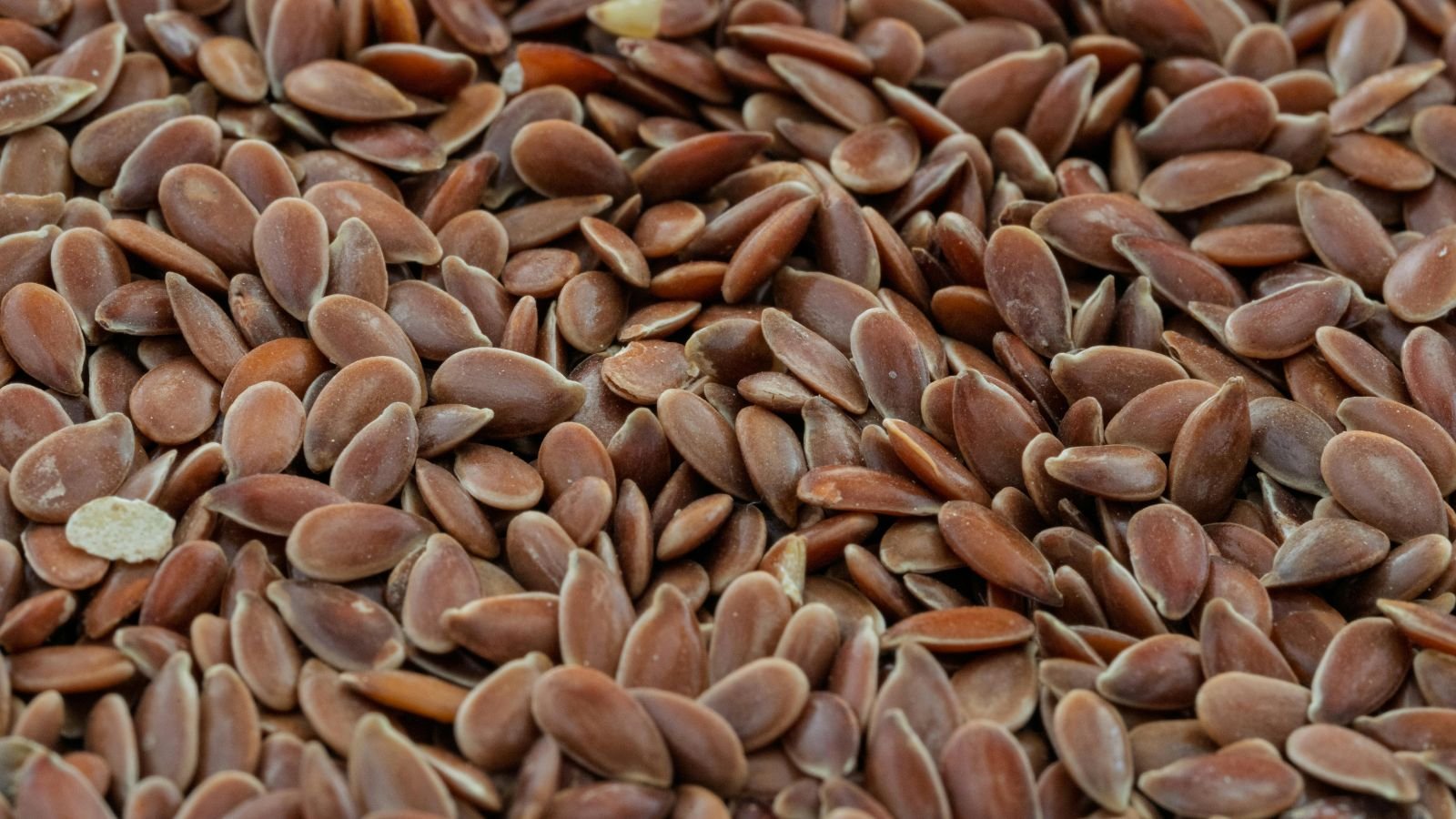
Foenegriek
Foenegriek, also known as fenugreek, is an herb that has been used for centuries in cooking, medicine, and wellness practices. Native to the Mediterranean region, India, and North Africa, foenegriek has gained popularity worldwide due to its unique flavor, nutritional profile, and numerous health benefits.
This article explores foenegriek in detail, covering its uses, benefits, nutritional content, potential side effects, and how to incorporate it into your daily life.
What Exactly Is Foenegriek? Scientific Facts and Overview
Foenegriek (Trigonella foenum-graecum) is a legume belonging to the Fabaceae family. Both its seeds and leaves are widely used. The seeds are small, yellowish-brown, and have a bitter, nutty flavor, while the leaves can be fresh or dried and are often used as a spice or garnish.
The herb contains active compounds such as saponins, flavonoids, and alkaloids, which are responsible for many of its medicinal properties.
Culinary Uses of Foenegriek Around the World
Foenegriek is a versatile ingredient in many cuisines:
- Indian cuisine: Integral in curries, spice blends, and pickles
- Middle Eastern cuisine: Used in stews and herbal teas
- European cooking: Occasionally added to bread and pastries
- Vegetarian dishes: Leaves are used as a green vegetable substitute
Its distinctive taste adds depth and aroma to both savory and sweet recipes.
Traditional Health Benefits of Foenegriek
Traditionally, foenegriek has been used in herbal medicine for:
- Enhancing digestion and appetite
- Supporting lactation in breastfeeding mothers
- Relieving inflammation and joint pain
- Managing menstrual discomfort
Many of these uses have been passed down through generations and are supported by anecdotal evidence.
Modern Health Benefits Supported by Research
Recent studies indicate that foenegriek may provide:
- Blood sugar regulation: Helps control glucose levels in type 2 diabetes
- Heart health support: May lower cholesterol levels
- Hormonal balance: Beneficial for women’s reproductive health
- Weight management: Promotes satiety and reduces appetite
These scientifically supported benefits make foenegriek a popular supplement in modern wellness routines.
How to Use Foenegriek in Everyday Cooking
Incorporating foenegriek into daily meals is simple:
- Sprinkle seeds on roasted vegetables
- Add powder to soups, stews, or sauces
- Mix leaves in salads or curries
- Use in baking for breads and crackers
Start with small quantities due to its strong, bitter flavor and gradually adjust to taste.
Foenegriek Tea and Infusions: Natural Remedies at Home
Foenegriek tea is a natural way to enjoy its benefits:
- Soak 1–2 teaspoons of seeds in hot water
- Let steep for 5–10 minutes
- Strain and drink warm, optionally with honey or lemon
This infusion can support digestion, relieve minor inflammation, and promote overall wellness.
Nutritional Profile of Foenegriek Seeds and Leaves
Foenegriek is nutrient-dense and contains:
- Protein: Helps with tissue repair and satiety
- Fiber: Supports digestive health
- Iron and magnesium: Essential for energy and bone health
- Vitamins A, B6, and C: Promote overall wellness
Its combination of nutrients makes it a valuable addition to a balanced diet.
Possible Side Effects and Precautions to Keep in Mind
While generally safe, foenegriek may cause side effects in some individuals:
- Gastrointestinal discomfort such as bloating or gas
- Allergic reactions in people sensitive to legumes
- May lower blood sugar too much if combined with diabetes medication
Consult a healthcare provider before using foenegriek as a supplement, especially if pregnant, breastfeeding, or on medication.
Growing Foenegriek at Home: Tips for Gardeners
Foenegriek is easy to grow in home gardens:
- Plant seeds in well-drained soil with full sunlight
- Water moderately and avoid overwatering
- Harvest leaves in 3–4 weeks and seeds in 2–3 months
- Protect from pests and ensure good air circulation
Homegrown foenegriek ensures fresh leaves and seeds for culinary or medicinal use.
Harvesting Foenegriek: Seeds vs Leaves
- Leaves: Harvest when young and tender, use fresh or dry for later
- Seeds: Wait until pods turn yellow and dry naturally, then collect and store in airtight containers
Proper harvesting preserves flavor, potency, and nutritional benefits.
Foenegriek in Popular Diets and Wellness Trends
Foenegriek is increasingly included in:
- Weight loss diets: As a fiber-rich ingredient
- Diabetic-friendly diets: To help manage blood sugar
- Plant-based and vegetarian diets: As a protein source
- Herbal wellness routines: In teas, capsules, or powders
Its versatility makes it a trending ingredient in health-conscious communities.
How Foenegriek Supports Digestive Health
Foenegriek contains soluble fiber that:
- Promotes healthy gut bacteria
- Reduces constipation and bloating
- Improves nutrient absorption
Regular inclusion in meals or teas can help maintain a healthy digestive system.
Foenegriek for Blood Sugar and Hormonal Balance
- Blood sugar: Active compounds help slow glucose absorption and improve insulin sensitivity
- Hormonal balance: Supports estrogen levels, beneficial for menstrual health and lactation
This dual benefit contributes to overall metabolic and reproductive wellness.
Conclusion: Why Foenegriek Is a Must-Have Herb
Foenegriek is more than just a spice—it is a nutrient-rich herb with wide-ranging culinary and health benefits. From traditional uses to modern wellness trends, foenegriek can improve digestion, support hormonal balance, and enhance overall health.
Incorporating foenegriek into your diet through seeds, leaves, or teas is a simple and effective way to harness its benefits while enjoying its unique flavor.
FAQs
What is foenegriek?
Foenegriek, also known as fenugreek, is an herb used in cooking and traditional medicine, valued for its flavor and health benefits.
How do I use foenegriek in cooking?
You can use the seeds, powder, or leaves in curries, soups, teas, and baked goods.
Is foenegriek safe to consume daily?
Yes, in moderate amounts, but consult a doctor if pregnant, breastfeeding, or on medication.
Can foenegriek help with blood sugar control?
Yes, studies indicate foenegriek can help regulate blood sugar levels, especially in type 2 diabetes.
Can I grow foenegriek at home?
Absolutely, foenegriek is easy to cultivate in gardens with proper sunlight, soil, and watering.
