


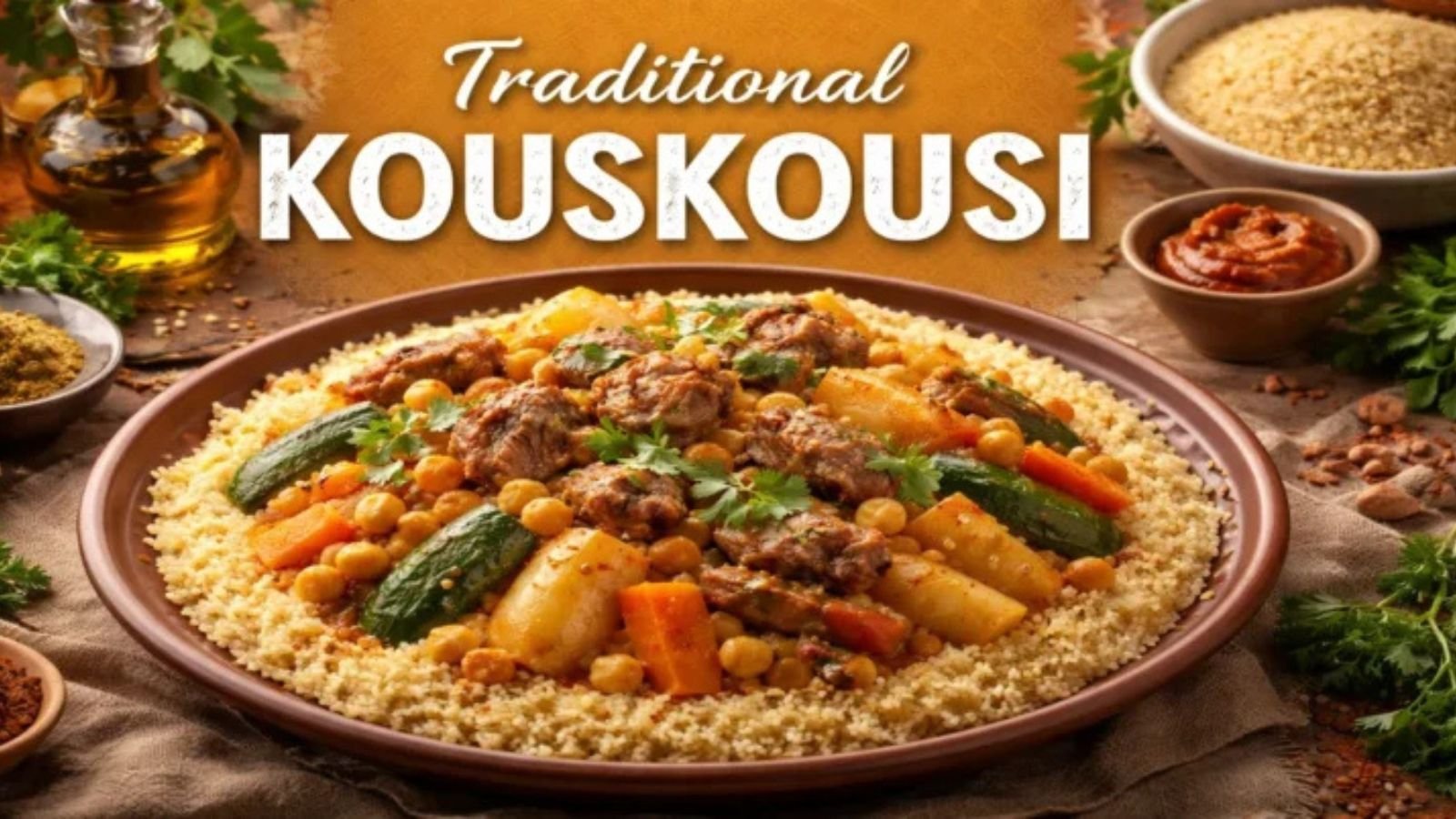
What Is Kouskousi? A Complete Introduction to This Tiny Greek Pasta
Kouskousi is a small, pellet-like pasta commonly used in Greek cuisine. Resembling couscous but technically pasta, it is made from durum wheat semolina and has a slightly chewy texture when cooked. Unlike traditional couscous, kouskousi is typically boiled in water or broth, often combined with vegetables, herbs, or seafood. Its tiny size allows it to absorb flavors quickly, making it perfect for soups, salads, and warm Mediterranean dishes.
The Origins of Kouskousi in Greek Cuisine
Kouskousi has deep roots in Greek culinary tradition, especially in island and rural cooking. While its shape and method resemble North African couscous, kouskousi became distinct in Greece through local adaptation. Traditionally, Greek households served it as a hearty side dish, often pairing it with greens, olive oil, and simple spices. Over time, it became a versatile ingredient for both everyday meals and festive dishes.
Kouskousi vs Couscous: What’s the Difference?
Though kouskousi and couscous look similar, they differ in several ways:
- Origin: Couscous comes from North Africa; kouskousi is Greek.
- Texture: Couscous is steamed; kouskousi is boiled like pasta.
- Use: Kouskousi is commonly used in soups and baked dishes, while couscous often accompanies meat or stews.
- Size: Kouskousi pellets are slightly larger and firmer than traditional couscous granules.
Understanding these differences ensures authentic preparation and flavor in recipes.
How Kouskousi Is Traditionally Made
Traditional kouskousi is made from durum wheat semolina. The semolina is moistened, rolled into tiny pellets, and dried. In Greece, many households still prepare it by hand, ensuring uniform size and a perfect texture. Commercial production has simplified this process, making kouskousi widely available in stores while retaining its signature taste and quality.
Popular Greek Dishes That Use Kouskousi
Kouskousi features in a variety of Greek recipes, such as:
- Kouskousi with greens like spinach or Swiss chard
- Seafood kouskousi with shrimp or mussels
- Vegetable medley kouskousi with herbs and olive oil
- Baked casseroles layered with cheese and vegetables
Its versatility allows chefs and home cooks alike to experiment with flavors while keeping meals light and healthy.
Kouskousi with Swiss Chard and Ginger: A Modern Mediterranean Twist
Modern chefs have adapted kouskousi into contemporary dishes. One popular recipe pairs Swiss chard, ginger, and lemon, creating a vibrant, aromatic, and nutritious dish. The kouskousi absorbs the flavors of the vegetables and ginger, while a drizzle of olive oil enhances richness. This fusion dish showcases how traditional ingredients can be reinvented for a global palate.
How to Cook Kouskousi Perfectly (Step-by-Step Guide)
Cooking kouskousi is simple if done correctly:
- Boil water or broth: Use 1 cup of liquid for every 1/2 cup of kouskousi.
- Add kouskousi gradually: Stir to prevent clumping.
- Simmer gently: Cook for 8–10 minutes until tender but slightly firm.
- Drain excess liquid: If needed, using a fine sieve.
- Fluff with a fork: Add olive oil or butter for a smooth texture.
Following these steps ensures that your kouskousi is light, fluffy, and ready to pair with any recipe.
Nutritional Value and Health Benefits of Kouskousi
Kouskousi is a healthy carbohydrate option, rich in complex carbs, protein, and fiber. When combined with vegetables or seafood, it becomes a balanced meal. Benefits include:
- Steady energy release
- Digestive health support
- Low in fat when cooked traditionally
- High adaptability to vegan and vegetarian diets
It’s a nutritious addition to Mediterranean-style eating.
Best Ingredients to Pair with Kouskousi
To enhance flavor, kouskousi pairs well with:
- Leafy greens (spinach, Swiss chard, kale)
- Olive oil and fresh herbs (dill, parsley, oregano)
- Lemon juice and zest
- Tomatoes, garlic, and onions
- Seafood or light proteins
These ingredients complement kouskousi’s mild flavor and enhance its Mediterranean appeal.
Vegetarian and Vegan Kouskousi Recipe Ideas
Vegetarian and vegan options are easy to prepare:
- Kouskousi with roasted vegetables (zucchini, peppers, eggplant)
- Herbed kouskousi salad with olive oil, lemon, and parsley
- Warm kouskousi with chickpeas and tomatoes
All of these dishes are nutrient-rich, flavorful, and align with plant-based dietary needs.
Kouskousi in Contemporary Mediterranean Cooking
Today, kouskousi has transcended traditional Greek cuisine and is embraced by chefs globally. Its adaptability allows it to feature in modern Mediterranean dishes, fusion recipes, and gourmet presentations. Kouskousi’s small size and neutral flavor make it a versatile ingredient in both casual and fine dining contexts.
Where to Buy Kouskousi and Possible Substitutes
Kouskousi can be found in:
- Greek specialty stores
- Online Mediterranean food retailers
- International grocery stores
If unavailable, suitable substitutes include Israeli couscous or acini di pepe pasta, though texture and cooking methods may vary slightly.
Common Cooking Mistakes to Avoid When Preparing Kouskousi
To ensure perfect results:
- Don’t overcook; it should remain slightly firm
- Avoid skipping the fluffing step
- Use enough liquid for proper hydration
- Add salt or seasoning gradually to taste
Avoiding these mistakes preserves the ideal texture and flavor.
Why Kouskousi Is Gaining Popularity Worldwide
Kouskousi’s rise in popularity is due to:
- Its versatility in dishes
- Compatibility with modern, healthy eating
- Ease of cooking and quick preparation
- Unique cultural and culinary appeal
Food enthusiasts and chefs alike are embracing it as a staple in Mediterranean-inspired cooking.
Frequently Asked Questions About Kouskousi
1. Is kouskousi the same as couscous?
No, it is a Greek pasta, though it resembles couscous in appearance.
2. How long does kouskousi take to cook?
Typically 8–10 minutes in boiling water or broth.
3. Can kouskousi be used in soups?
Yes, it absorbs flavors well and works in both vegetable and seafood soups.
4. Is kouskousi gluten-free?
Traditional kouskousi is made from wheat semolina, so it contains gluten.
5. What is the best way to store kouskousi?
Keep in a dry, cool place in an airtight container for several months.
Conclusion
Kouskousi is a tiny pasta with a big role in Greek and Mediterranean cuisine. Its versatility, nutritional benefits, and ability to absorb flavors make it a favorite in traditional and contemporary dishes alike.
